
Why Shadows Matter as Much as Illumination
When most people think of lighting in film, they think of brightness. Spotlights. Key lights. That perfect glow across an actor’s face. But some of the greatest cinematographers in history remind us that it’s not just about illumination — it’s about the shadows.
John Alton, the legendary DP behind some of film noir’s most striking images, wrote in his book Painting with Light that darkness is just as vital as light. In fact, he argued that shadows are the canvas upon which light paints. Without darkness, there’s no contrast, no tension, and no mystery.
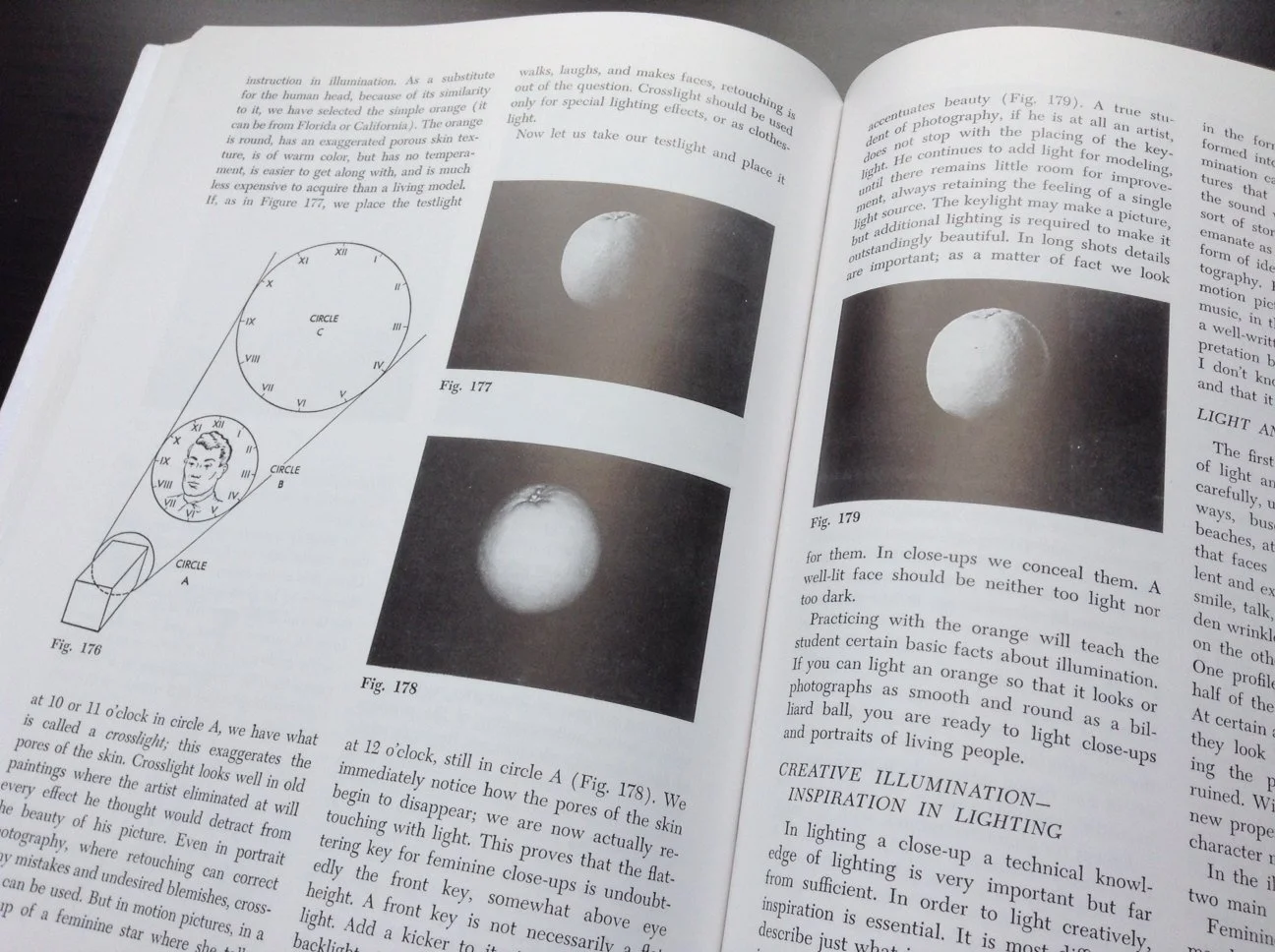
‘Painting with Light' by John Alton
As a Director of Photography and gaffer, I see this play out every day on set. A silhouette can say more about a character’s inner state than a perfectly lit close-up. A sliver of light across a face can feel more dramatic than a flood of brightness. By carefully shaping shadows, we give audiences permission to feel — to fill in the blanks with their imagination.
Think of the stark, high-contrast frames of classic noir, where a single streetlamp defines an entire mood. Or the way a modern thriller will let the edges of a room fall away into black, forcing the eye to focus on a single figure. These choices are not accidents — they’re part of a tradition of visual storytelling that uses negative space as powerfully as positive space.
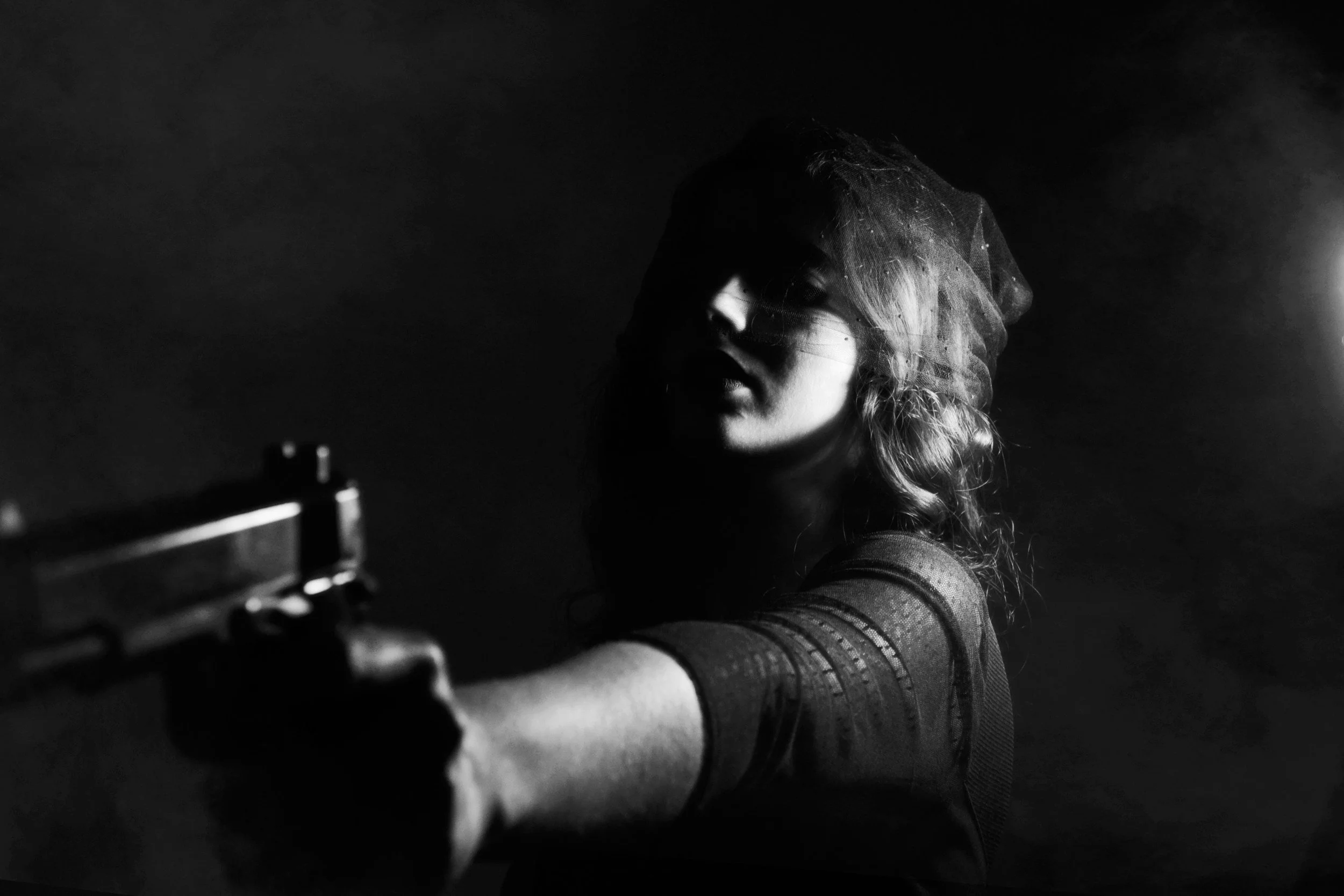
Shadows are not mistakes to be corrected in post. They are narrative tools. They help sculpt faces, create depth, and build atmosphere. They give images weight. They whisper to the audience that there’s more happening than meets the eye.
For filmmakers, this means remembering that lighting is never just about exposure. It’s about motivation. It’s about deciding where not to show, just as much as deciding what to reveal. When we choose to let darkness sit in a frame, we invite the audience into a deeper emotional experience.
So the next time you step onto set, don’t just ask: Where should I put the light? Ask: Where should I let the shadows live?
Because as John Alton proved, the power of cinematography often lies in what we can’t see as much as what we can.
If you’re looking for a DP in Central Florida who understands how to shape both light and shadow to tell your story, reach out at tyler@tylerwilliamsdp.com. I’d love to collaborate on your next project.
References
Alton, John. Painting with Light. Introduction by Todd McCarthy. Berkeley: University of California Press, 1995.
Brown, Blain. Cinematography: Theory and Practice, Second Edition: Image Making for Cinematographers and Directors. Burlington, MA: Focal Press, 2011.
Landau, David. Lighting for Cinematography: A Practical Guide to the Art and Craft of Lighting for the Moving Image. New York: Bloomsbury, 2014