
The Cinematography of Fear: How Horror Uses Light, Lens, and Composition to Get Under Your Skin
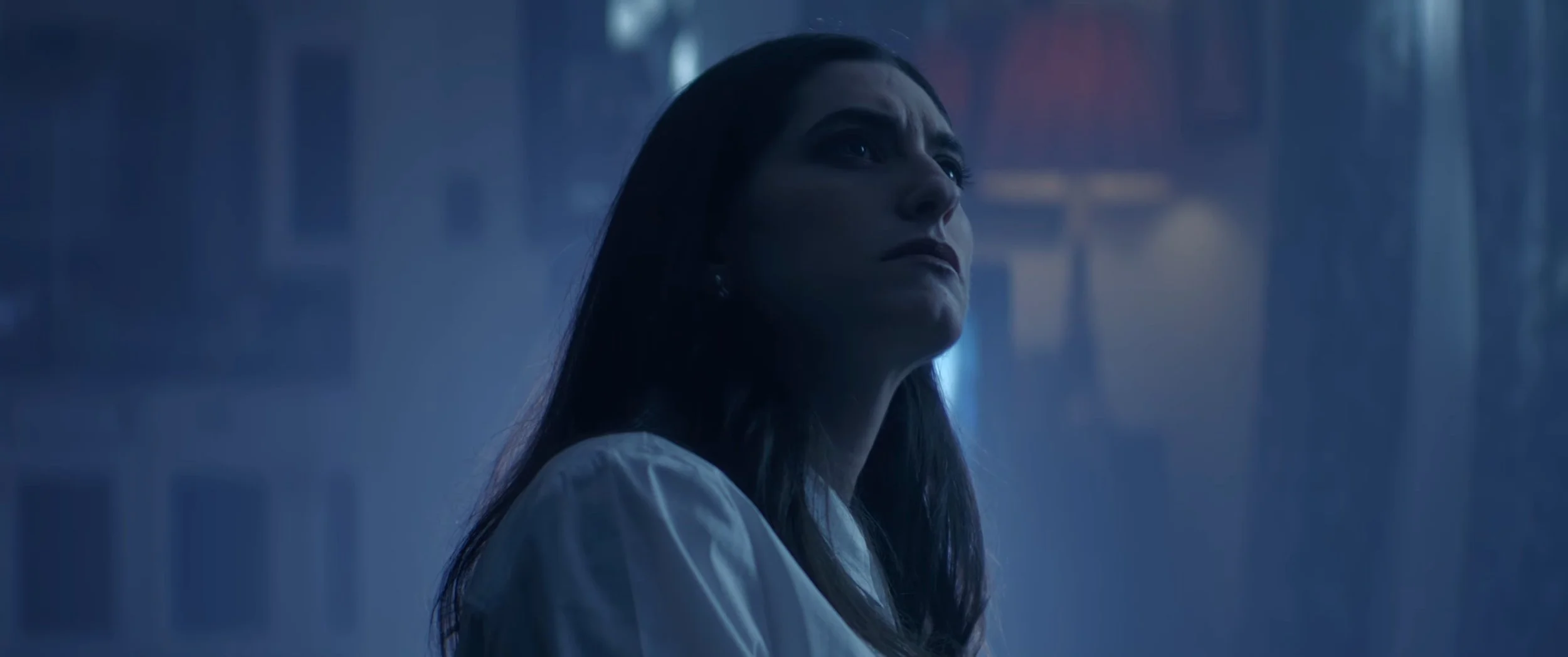
Final Frames - Horror Short Film
Horror films live and die by what’s seen—and more importantly, by what isn’t. Unlike most genres, horror cinematography isn’t just about showing the story. It’s about controlling what the audience feels through shadow, space, and anticipation. The techniques behind that fear are deliberate and deeply rooted in the craft of lighting and camera work.
1. Lighting as Emotional Architecture
As cinematographer David Landau writes, lighting isn’t simply about exposure—it’s about directing emotion. In horror, the DP uses light to manipulate what the viewer believes is real, often using motivated lighting (a believable source like a flickering bulb or a candle) to create unease. By isolating a subject in darkness, the audience is forced to imagine what lurks just beyond the frame.
Low-key setups, hard contrast, and chiaroscuro—echoing John Alton’s classic noir style in Painting with Light—turn the frame into a psychological space. Shadows become characters themselves, suggesting movement and threat without showing it.
2. Color and Mood
Modern horror often uses color temperature to create emotional dissonance. Cool blues and desaturated tones evoke lifelessness and isolation, while sudden splashes of saturated red trigger primal associations with blood and danger. LED technology has given DPs more control than ever—lighting can now subtly shift hue mid-scene, evolving the mood in real time to mirror the character’s descent into fear.
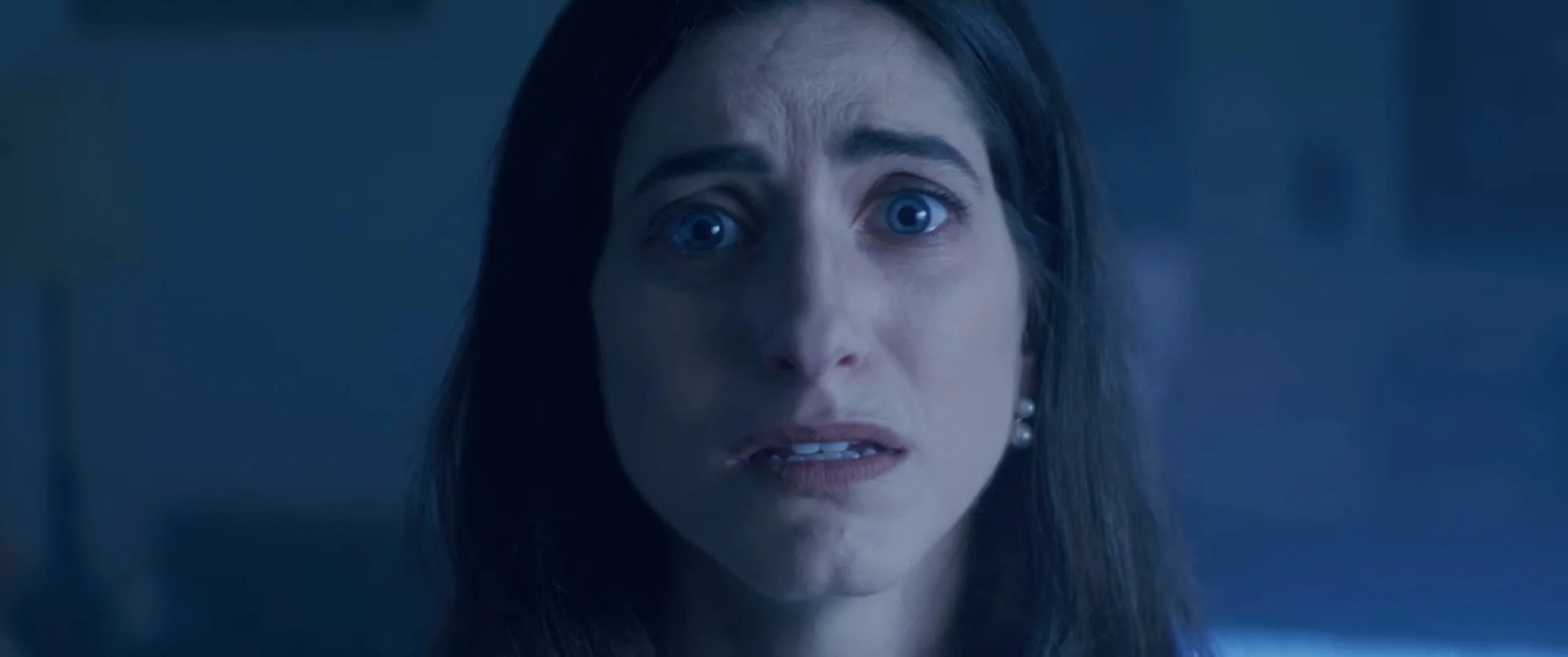
Final Frames - Horror Short Film
As Harry Box notes in The Set Lighting Technician’s Handbook, today’s digital workflows allow DPs to “breathe life into light,” letting it flicker, sputter, and morph—techniques that amplify the instability of a horror world.
3. Framing and Negative Space
Horror cinematographers weaponize composition. Wide shots that place a character small within the frame amplify vulnerability. Tight close-ups obscure context, leaving the audience unsure of what’s just outside the frame. The tension often lies in what’s missing; a concept perfected in classics like The Shining and Hereditary.
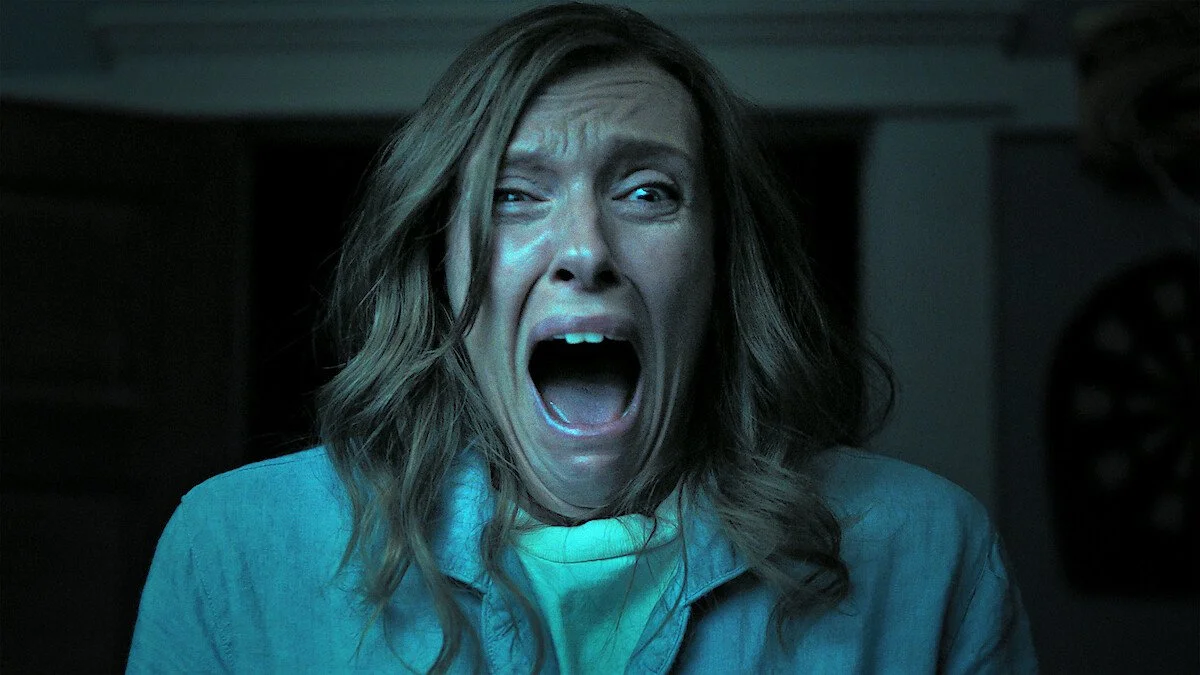
Hereditary (2018)
Negative space—darkness or emptiness around the subject—creates subconscious anxiety. Our eyes search for movement in those voids, conditioned to expect something to emerge.
4. Movement and Perspective
Camera motion in horror tends to feel alive. Slow, creeping dollies simulate the feeling of being watched, while handheld shots immerse us in chaos and disorientation. DPs often use long lenses to compress space and create a sense of visual suffocation, or wide lenses close to the subject to distort facial proportions and make the familiar feel uncanny.
5. The Influence of Film Noir and Expressionism
Much of horror cinematography borrows from earlier visual traditions—film noir’s stark contrast and German Expressionism’s exaggerated shadows. John Alton’s philosophy of “painting with light” laid the groundwork: use darkness not as absence, but as a storytelling tool. Light isn’t decoration—it’s emotion sculpted into form.
6. Why Horror Is Different
While drama or comedy often seeks visibility and naturalism, horror thrives on ambiguity. As Gordon Willis once said, “The audience’s imagination is more powerful than anything you can show them.” In horror, the cinematographer becomes a magician, using light to misdirect and composition to create suspense long before anything happens.
In horror, the DP isn’t just capturing images—they’re orchestrating fear. Every beam of light, every angle, every breath of darkness is part of a larger visual symphony designed to make the audience lean forward, hold their breath, and fill in the gaps with their own imagination.
Tyler Williams specializes in crafting atmospheric, story-driven horror cinematography—balancing artistry, emotion, and precision lighting to make every frame hit hard.
Reach out today to collaborate on your next project: www.tylerwilliamsdp.com/contact
Looking for a Florida DP or Gaffer? Tyler Williams is available for productions across Tampa, Orlando, and Miami. View services: tylerwilliamsdp.com/services