
Should Cinematography Be “Invisible” or “Stylized”?
When done right, cinematography shouldn’t call attention to itself; it should serve the story. A well-shot film doesn’t make the audience say, “Wow, that’s a cool shot.” It makes them feel something, even if they can’t articulate why.
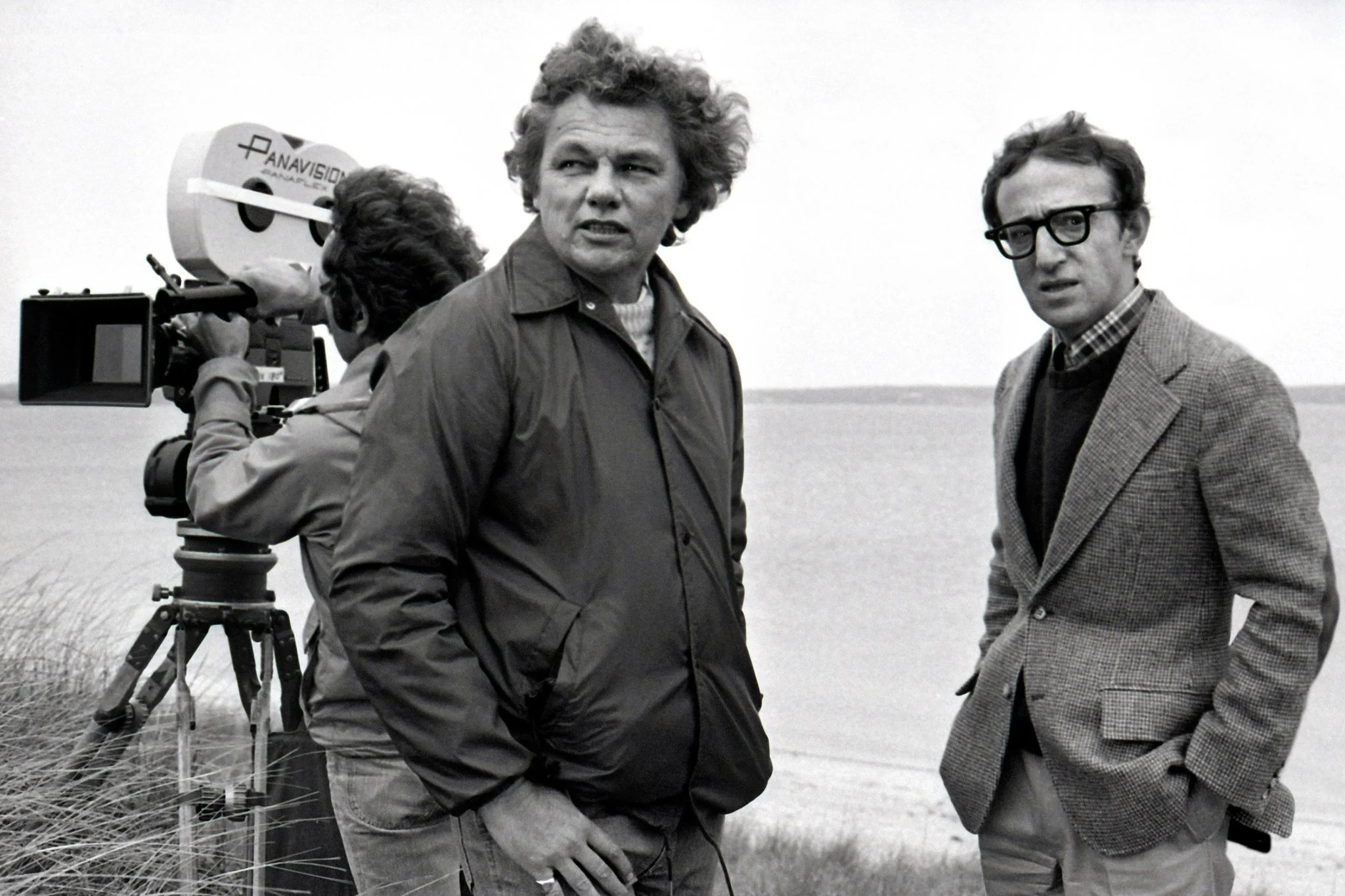
Gordon Willis on the set of The Godfather
As cinematographer Gordon Willis once said, lighting and camera work are most powerful when they disappear behind the story. If the audience notices the cinematography more than the characters or the emotion, the balance has tipped.
That’s not to say that style doesn’t have a place. A stylized look—like the high-contrast lighting in The Godfather or the dreamy warmth of Eternal Sunshine of the Spotless Mind—can elevate story and emotion when motivated by character or theme. But those choices only work because they’re built on a foundation of story first.
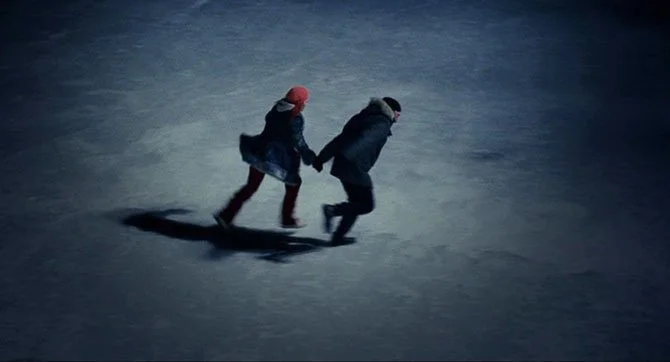
Eternal Sunshine of the Spotless Mind
Good cinematography enhances; it doesn’t distract. Every lighting cue, every camera move, every lens choice should exist for a reason—usually one that connects back to character, emotion, or tone.
If the camera draws attention to itself just to show off, the audience steps out of the moment. But when it’s intentional—when the visual style belongs to the story—it can be invisible and unforgettable at the same time.
🎥 Looking for a DP who can bring story-driven visuals to your next project? Reach out to Tyler Williams, serving Central Florida and beyond at tyler@tylerwilliamsdp.com